

Vindula has received a new round of improvements for workflows that require organization, evidence, and follow-up. These updates connect shared rooms and resources, documents that require confirmation, operational inspections, sales relationships, and engagement programs in a clearer experience for employees and managers.
We have also improved areas that matter in daily operations: libraries with large collections, user imports and maintenance, post editing, and in-product help. The result is a stronger foundation for companies that want to centralize work without losing control.
More flexible bookings for rooms and resources
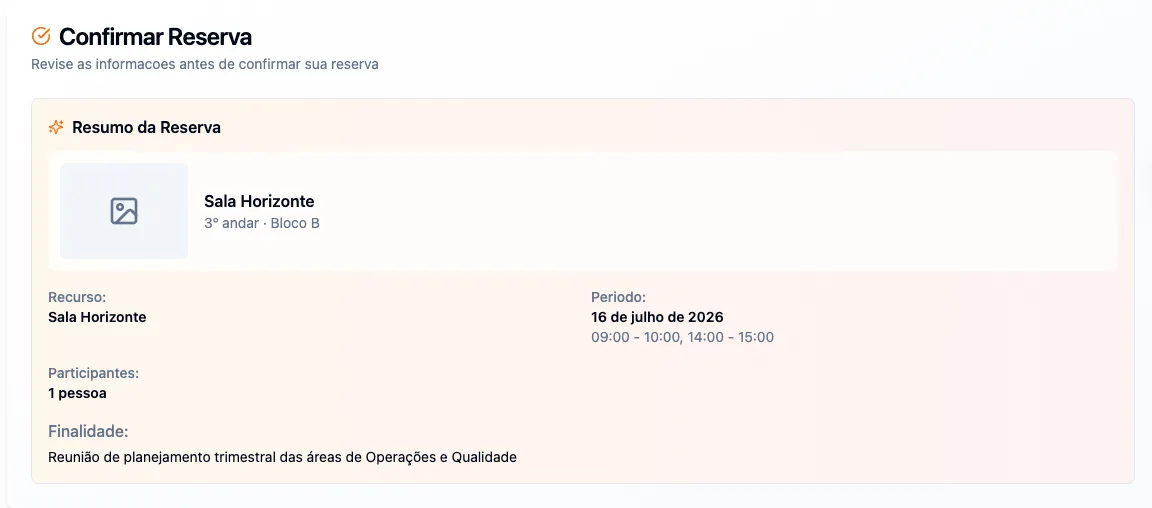
The Bookings module now offers a more complete experience for managing meeting rooms, equipment, vehicles, and other shared resources. Each resource can include a photo, description, usage rules, and availability, helping people make an informed choice before submitting a request.
One of the main additions is the ability to select multiple time intervals in a single request. Instead of repeating the entire process to book a morning slot and another period later in the day, a person can choose nonconsecutive times, review the selected intervals, and submit them together. This reduces steps while keeping schedule conflicts visible.
Companies can also combine resources available to everyone with resources restricted to specific audiences. When authorization is required, requests remain organized for follow-up and decision-making, including requests with related time periods. Administrators retain the context of each request, while employees can clearly see what is available, pending, or confirmed.
Signatures and obligations with stronger evidence
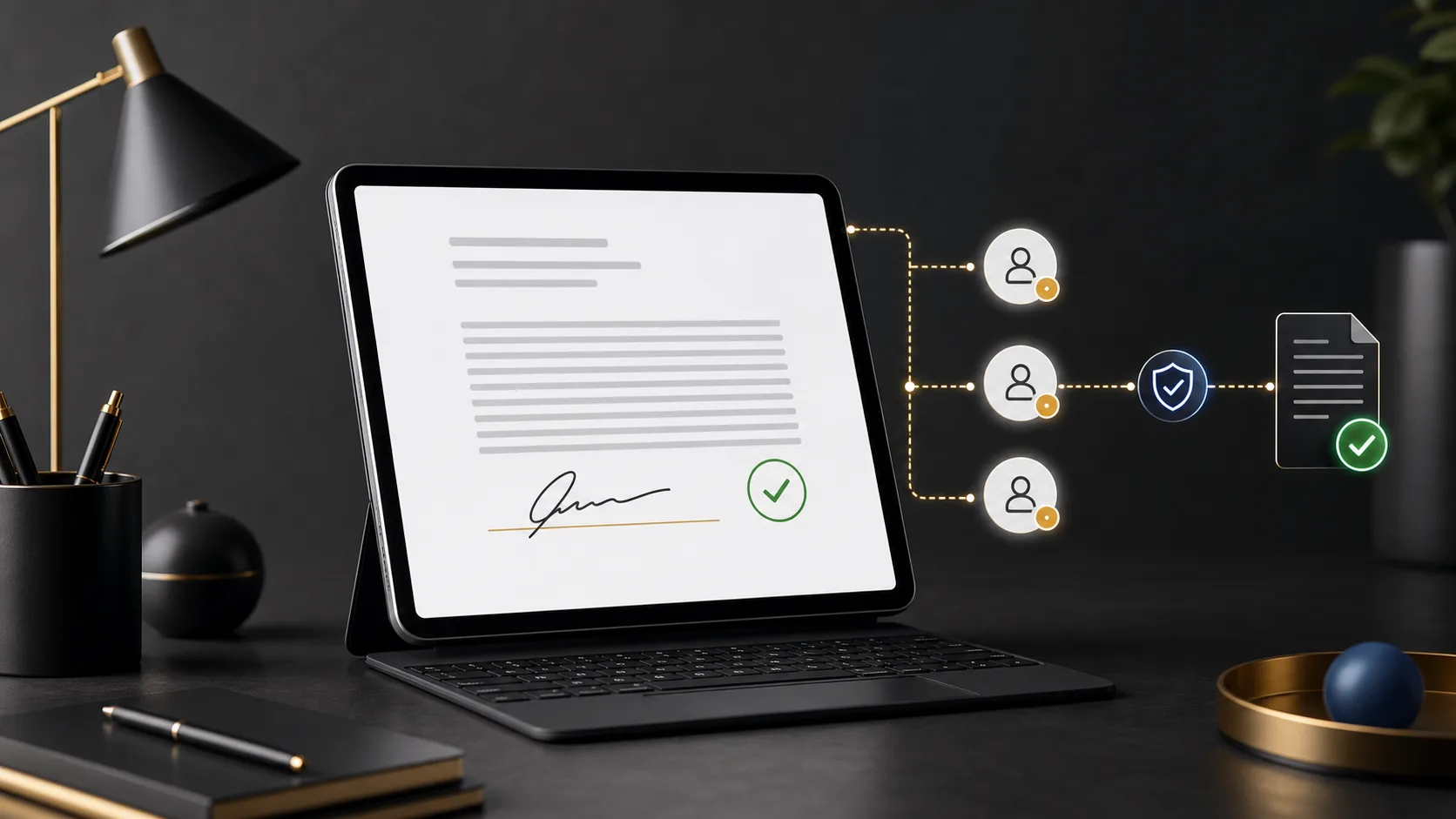
Electronic Signatures now have their own place among Vindula modules. The module can support direct document signing as well as the completion of obligations, keeping the process close to the Library, employee records, and company policies.
When configured, SMS confirmation adds another verification step. Completion records information that helps support the evidence trail, including the document, version, responsible person, date, and integrity references. The PDF can include a receipt and a validation code for public verification, making it possible to check the record associated with a document without administrative access.
When the workflow allows it, a person can also submit a formal refusal with a reason, preserving the decision history. Individual documents sent through the Library remain associated with the correct employee, helping HR and administrative teams organize policies, declarations, terms, and other internal records.
These capabilities strengthen traceability and evidence. They do not replace legal assessment of the document, the appropriate signature method, or requirements that apply to a specific transaction.
Checklist audits from scheduling to execution
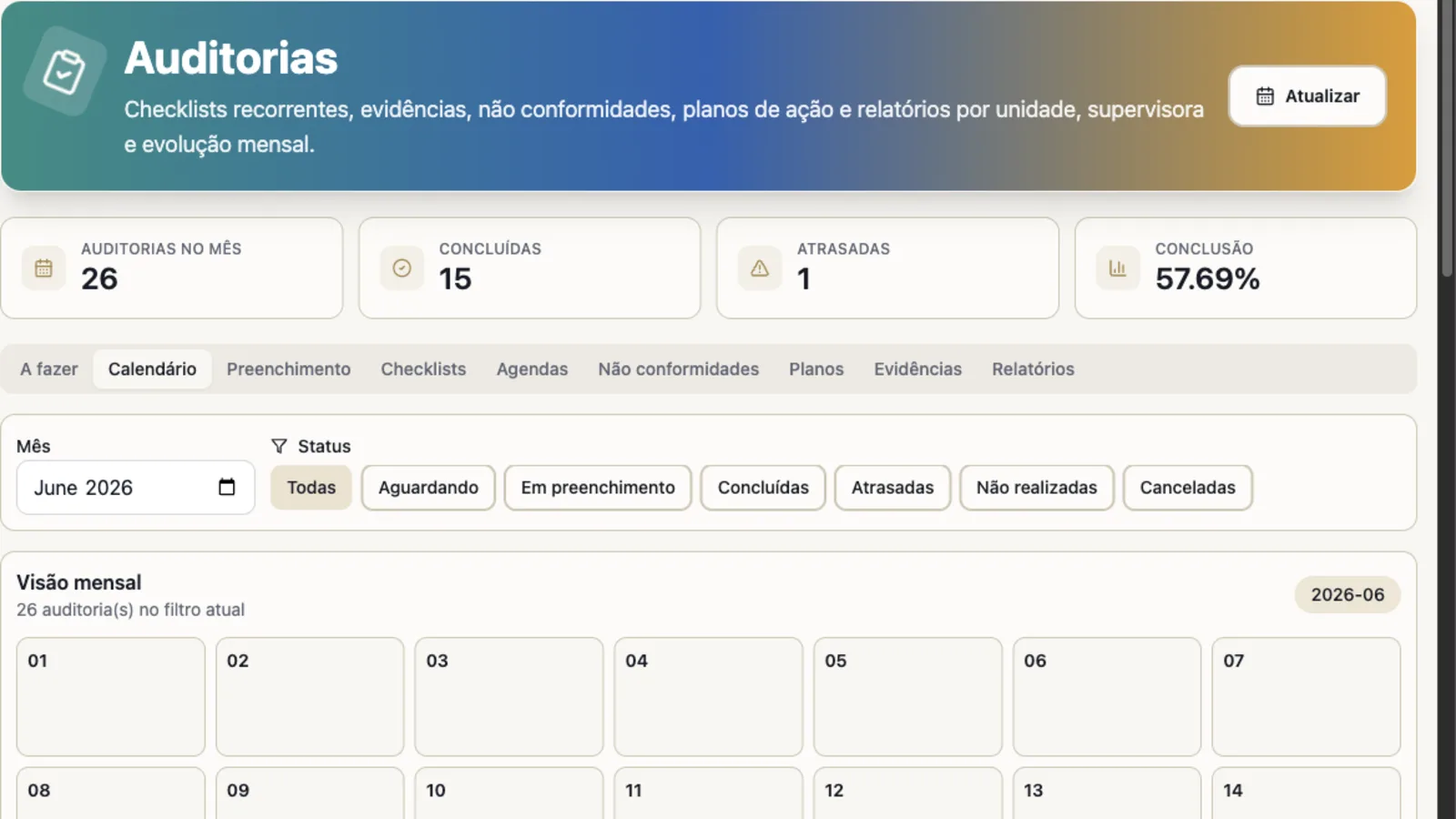
The Audits module organizes recurring inspections and one-off checks in a single workflow. Companies can create checklist templates, define schedules, start a manual run when needed, and retain history without rebuilding the operation in separate spreadsheets.
Template versioning preserves the relationship between the checklist used and the completed run. Teams can record answers and evidence from desktop or mobile devices. Nonconformities can be followed through action plans, owners, and deadlines, while calendars and reports help supervisors identify delays, recurring issues, and progress by location.
In practice, an audit becomes more than a list of questions. It connects planning, field execution, evidence, and corrective action.
CRM for the essential sales cycle
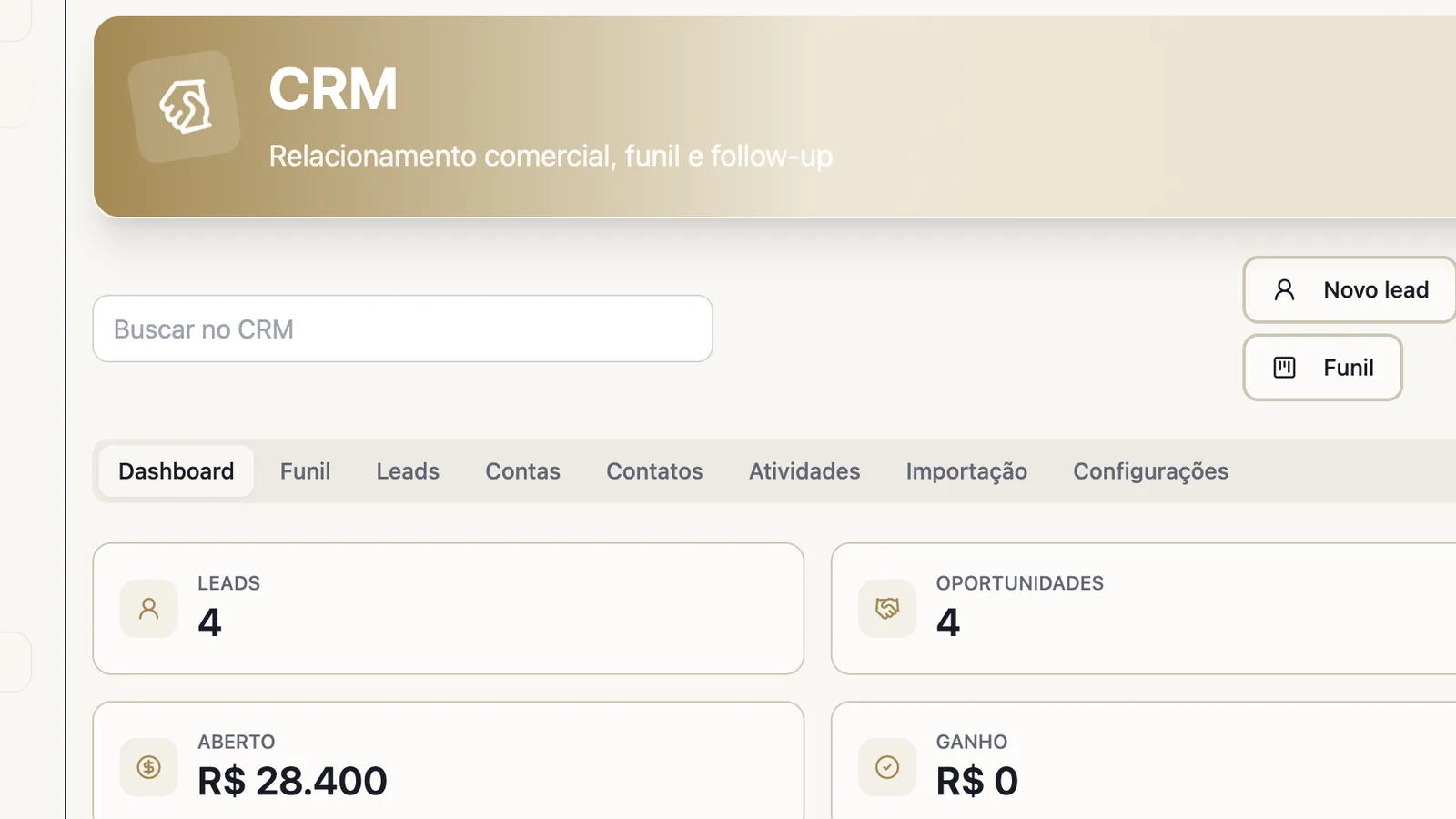
Vindula CRM brings together the core elements of a sales operation: leads, accounts, contacts, opportunities, activities, notes, and attachments. Pipelines and stages show how each negotiation is progressing, while won and lost records preserve outcomes and closing reasons.
Teams can organize follow-ups, review the dashboard, and import CSV data to establish an initial database or add new work lists. The module is designed for companies that want to keep sales relationships close to other internal workflows, with a practical view of what needs action.
Gamification with progression and campaigns
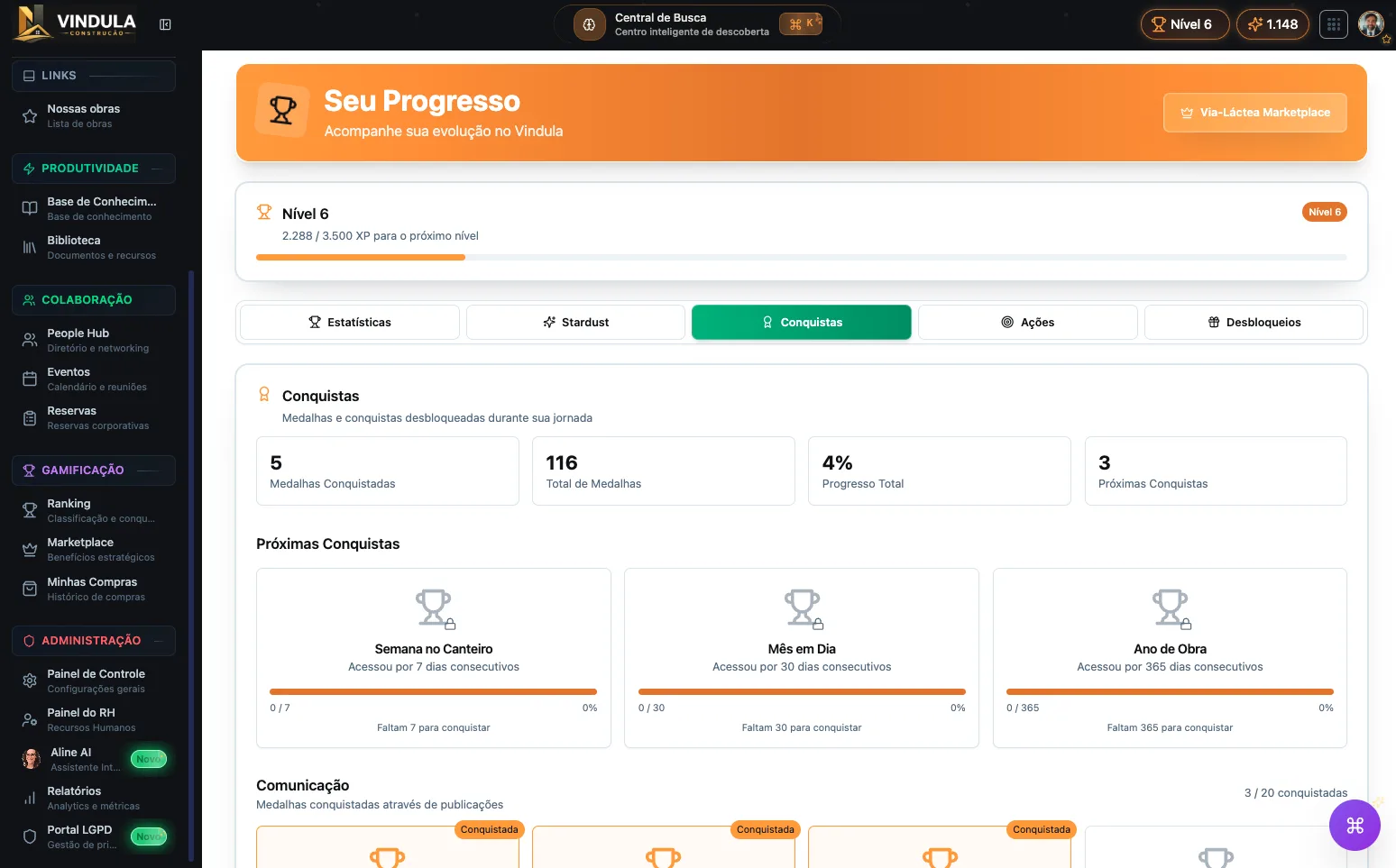
Gamification now includes a standard 30-level progression without replacing custom curves already defined by the company. This provides a more complete starting point for new programs while preserving the flexibility of initiatives that already use their own rules.
Missions, participation streaks, and offensive campaigns make it possible to set goals with a defined duration, audience, and criteria. Points, levels, and badges make progress visible to participants, while managers can track the campaign and recognize completion. Levels and badges can also be imported or exported to simplify administration at scale.
The goal is to turn recognition into a workflow that can be followed over time and connected to behaviors and outcomes that matter to company culture.
A Library prepared for large collections
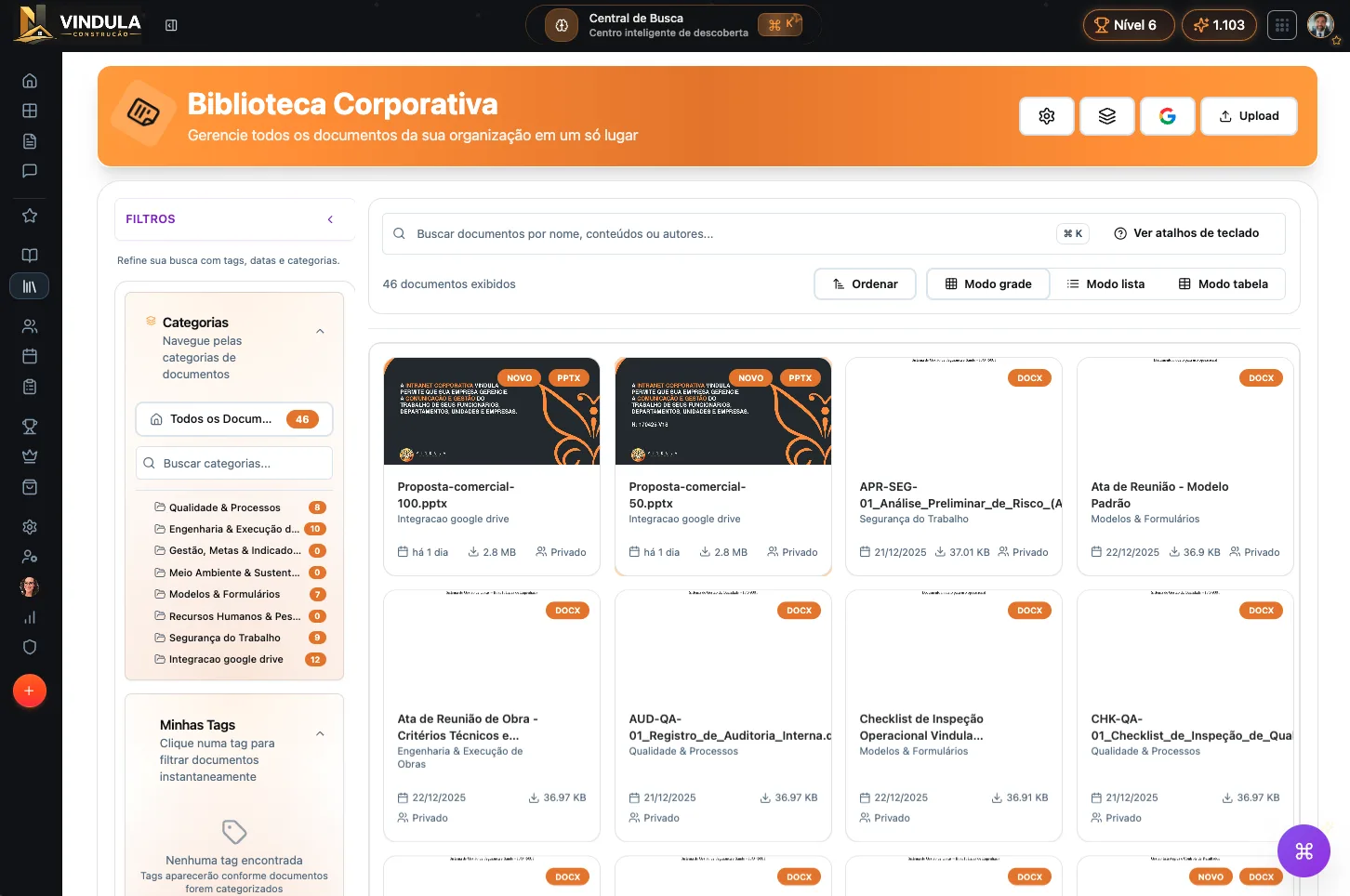
The Library and document management module also received improvements for operations with many documents. Initial loading is lighter, with progressive collection loading, controlled search, and category counts retrieved as needed.
These changes reduce the work required to display extensive libraries while keeping filters, categories, and viewing modes useful for people who need to find policies, manuals, forms, presentations, and operational records every day.
Administration and daily reliability
This update also includes operational improvements that make administration more predictable:
- user imports handle identifiers, locations, departments, hierarchy, conflicts, and unmapped columns more clearly;
- authorized administrators can guide password resets through a direct workflow;
- edited posts remain correctly available in the Feed;
- the Help Center can be opened with the F1 key and presents guidance related to the modules in use;
- email changes are reflected consistently in the administrative user list.
These improvements may be less visible in a demonstration, but they are important for implementations, workforce changes, and ongoing support.
What these updates mean for your company
Together, these improvements help your company reduce manual steps, keep decisions connected to the right context, and build more useful histories. Bookings become simpler for employees and more organized for administrators. Documents gain a stronger evidence trail. Audits bring scheduling, field work, and action plans together. CRM and Gamification extend Vindula into sales relationships and engagement.
Vindula is modular, so feature availability may vary according to contracted modules and your company environment configuration. Explore the platform feature map or contact our team to identify the right combination for your operation.